







We’re living in
the Age of UPA

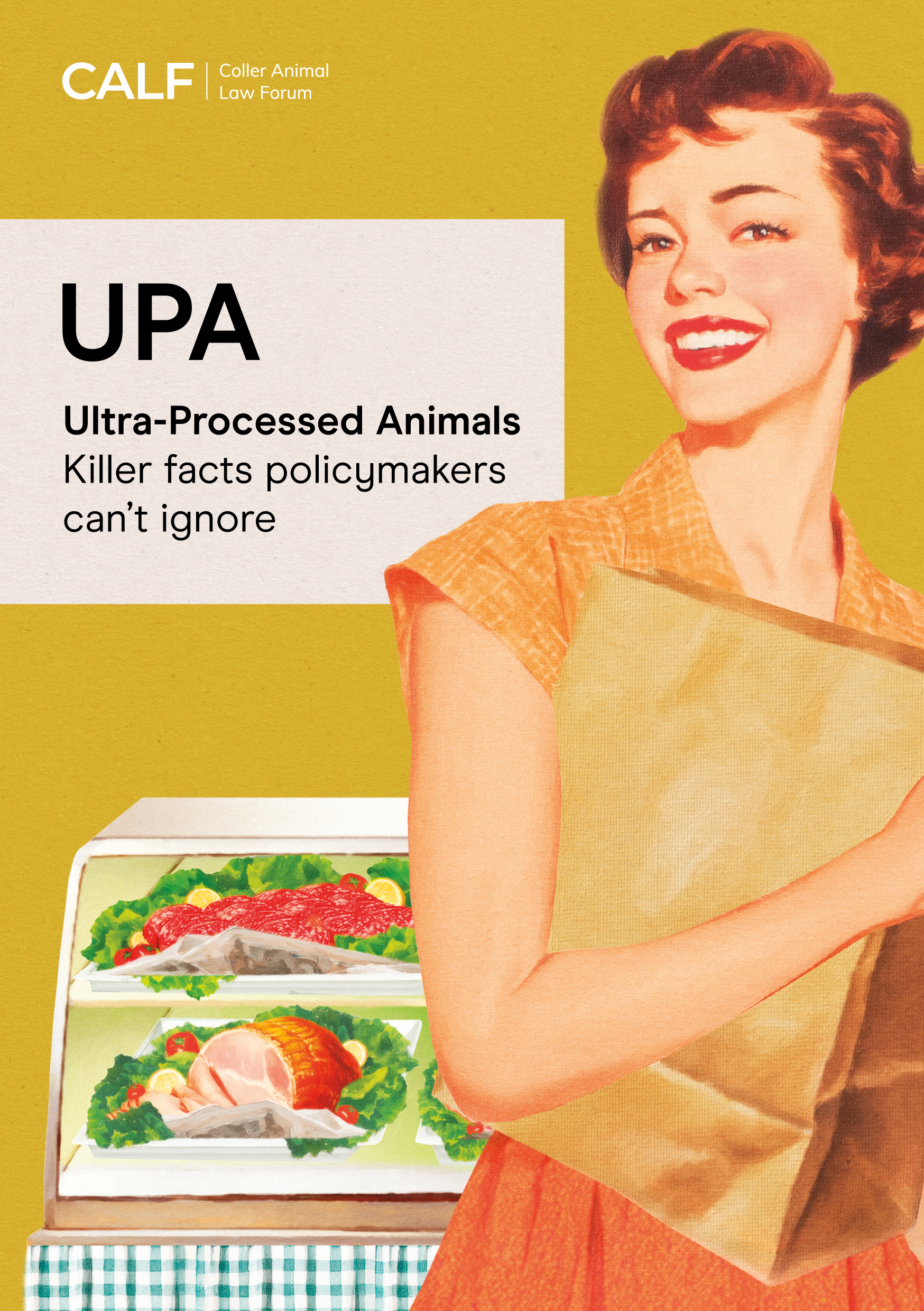
Discover the truth behind Ultra-Processed Animals (UPAs) – what you’re really eating, and what it’s doing to you.

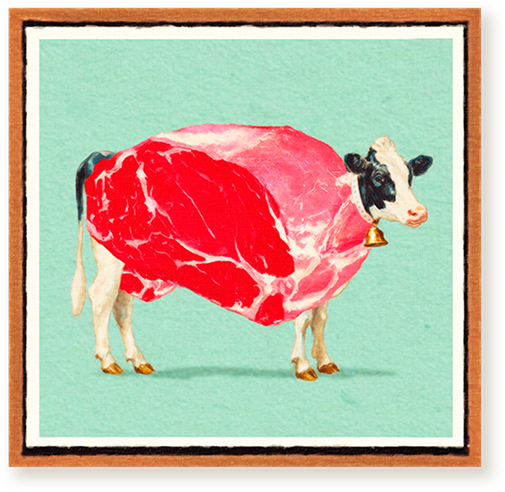
Ultra-Processed Animals (UPAs) are bred, medicated, and processed in ways that harm your health, your family, and the planet. This is the meat that’s engineered for speed, dosed with antibiotics, and processed long before it reaches your plate.

This campaign exposes the dangers and calls for change.

The cause

We’re living in a system built for speed, scale, and profit 
– not for human health or sustainability.

Ultra-Processed Animals (UPAs) begin their lives on industrial farms, engineered to grow unnaturally fast and feed the world’s growing demand for cheap meat. From the moment they are born, these animals are dosed with antibiotics and growth hormones to accelerate their growth, often living in overcrowded conditions designed for maximum output.

The Hidden Price of Modern Farming

The modern farming system prioritises quantity over quality, focusing on efficiency at the expense of human health, the environment, and the well-being of animals. By pushing animals to grow unnaturally fast, we sacrifice safety and long-term food security.

The Global Cost

This system creates the conditions for antimicrobial resistance, environmental degradation, and future pandemics – risks that extend far beyond the farm. The consequences of this industrial model don’t just affect the animals; they affect us all.


At the supermarket

The deception

When you pick up that package of meat at your local supermarket, it might look fresh, natural and wholesome – but looks can be deceiving.

Ultra-Processed Animals (UPAs) are processed long before they ever reach the shelf, often treated with antibiotics, growth hormones, and additives that don’t need to be disclosed to the public.

Behind the label

The food industry has found ways to make meat appear fresh, natural, and appealing, hiding the real processes that happened long before it made its way to the store. Without mandatory labelling, most consumers have no idea what they’re truly buying. 

What you're really buying

These practices allow companies to profit from misleading marketing and hidden health risks, while keeping the true cost of cheap meat out of sight. What’s worse, the lack of transparency means we have no way of knowing whether the meat we’re buying is contributing to antimicrobial resistance, chronic disease, or even future pandemics.  

The system is designed to keep us in the dark, leaving us with no choice but to trust what we see on the label. But should we? 

At the table

The betrayal

We trust that the food we put on the table is safe, healthy, and good for our families. But what if the meat we’re serving has been engineered for speed, treated with antibiotics, and processed long before it reaches your plate?

The promise of the Green Revolution was to feed us better, yet today, we’re feeding our families food that harms.

Maximising output, sacrificing health

Ultra-Processed Animals (UPAs) look like wholesome meals, but they’re the product of an industrial system built to maximise output at the expense of health. By hiding the true nature of modern meat production, the system has betrayed the very families it was meant to serve. 

The hidden dangers

The risks are invisible: chronic disease, antibiotic resistance, and even future pandemics. What’s worse, this deception is passed on to our children, who are eating what the system tells us is safe, but is anything but.  

The broken promise is that we’ve been led to believe that modern food systems are feeding our families – but in reality, they’re feeding a system of harm. 

At the doctor

The health crisis

The consequences of Ultra-Processed Animals (UPAs) go beyond the factory farm and supermarket shelves. These industrial practices directly impact human health. From chronic diseases like heart disease and diabetes to the looming threat of antimicrobial resistance (AMR), UPAs are fuelling a health crisis that can no longer be ignored.

The antibiotic risk

Routine use of antibiotics in meat production is driving AMR, making everyday infections harder to treat. Diseases like E. coli, Salmonella, and Campylobacter are also common in UPA products, increasing the risks of foodborne illness.  

The next pandemic

The impact isn’t just about immediate health effects – it’s about long-term public health risk. As bacteria evolve resistance to the antibiotics used in factory farming, we face an escalating crisis where simple infections could become untreatable. 

Perhaps most alarming of all is the growing risk of pandemics. The same system that breeds unhealthy animals for rapid profit is also a breeding ground for the next global health emergency. The reality is that UPAs are a serious threat to our health and the health of future generations. 

Escape from the
Age of UPA

The good news is that we can fix this. We are not helpless in the face of the UPA crisis, and the path forward is clear: it starts with transparency, regulation, and restructuring the food system.

Mandatory labelling

One of the first and most important steps is giving consumers the information that they need by introducing mandatory labelling for all meat and animal products. We need clear, truthful information about what’s in our food. The current system is built on misleading marketing, and consumers have the right to know whether their food contains antibiotics, hormones, or growth accelerants. Mandatory labelling would not only empower consumers but also hold producers accountable for what they are selling.

Retailer responsibility

Retailers have a crucial role to play as the gateway for consumers to access modern meat. They have the large-scale buying power to ask big conglomerate protein producers for more consumer choice and mandatory labelling of the products they stock on supermarket shelves. Similarly, global and national restaurant chains can demand better quality products with clear standards and mandatory labelling to supply fast casual restaurants.

Transitioning to better meat 
and healthy food systems

The UPA system thrives on industrial-scale factory farming, which is unsustainable and harmful. A transition involves shifting away from mass-produced meat and embracing more sustainable and health-conscious options. This includes investing in alternative proteins, supporting regenerative farming, and rebalancing food production so that it prioritises human health and the environment over profit.

Policy reform

We need governments to step in and regulate the industrial practices that have led to the UPA crisis. This includes incentivising regenerative farming, creating health standards for food production, and ensuring rigorous oversight of animal-based food production. This is the structural change necessary to ensure that meat production doesn’t come at the cost of public health, the environment, or animal welfare.

What you can do

This campaign has just begun. We need your voice to push for change. 

Here’s what you can do today

  • Join the campaign for a transparent food system
  • Demand transparency from brands and retailers
  • Advocate for mandatory labelling in your country
  • Hold supermarkets and restaurants accountable for their role in the UPA system

Ever have the feeling you’re being lied to?

Discover the truth of the age of UPA.

Frequently asked questions

What are Ultra-Processed Animals (UPAs)?

Ultra-Processed Animals (UPAs) are animals raised in highly industrialised farming systems where biological processes are deliberately manipulated to maximise growth, efficiency and output. These systems rely on selective breeding for rapid growth, tightly controlled feed and the routine use of antibiotics to manage disease in intensive conditions.

For example, many modern livestock breeds are designed to grow far faster than animals historically did. Chickens raised for meat today can reach slaughter weight in a fraction of the time it once took, reflecting how modern production systems reshape the biology of the animals themselves.

In these systems, the shaping of the animal begins long before slaughter. Growth rates, metabolism and disease resistance are actively managed throughout the animal’s life. In effect, the production process starts while the animal is still alive – meaning the animal itself becomes the product of an industrial processing system rather than traditional husbandry.

The term Ultra-Processed Animals highlights this shift: the industrial processing of meat now begins before animals reach the slaughterhouse.


How are UPAs different from regular meat?

The difference lies in how the animals are produced before slaughter. In industrial livestock systems, animals are bred for rapid growth, raised in high-density environments and fed specialised diets designed to maximise efficiency. Antibiotics and other interventions are often used routinely to prevent disease and maintain productivity in intensive conditions.

These practices shape the biology of the animal throughout its life. Animals are bred to grow faster, reach larger sizes and convert feed into weight more quickly than traditional livestock breeds.

For example, modern meat chickens are bred to reach slaughter weight in just a few weeks – far faster than chickens raised in traditional farming systems. This reflects how modern production systems are designed to accelerate growth and shorten production cycles.

As a result, much of the “processing” associated with meat production now takes place while the animal is still alive, rather than only after slaughter. The term Ultra-Processed Animals reflects this shift in how meat is produced.

Why are we only now hearing about UPAs?

Ultra-Processed Animals are not a new phenomenon. Intensive, industrialised animal agriculture has been the norm for decades, and most animals raised for food today are produced in systems very different from traditional farming.

What is new is the language used to describe it. The term Ultra-Processed Animals puts a name to something that has largely gone unrecognised in public debate: the fact that processing often begins while the animal is still alive, not only after slaughter.

This has remained a major blind spot. Public attention has focused on ultra-processed foods, but much less on the way animals themselves are bred, fed and reared in industrial systems. As a result, the risks linked to these systems have remained largely hidden from view.

Why are UPAs dangerous to our health?

Ultra-Processed Animals are produced in systems designed to maximise growth and efficiency. These systems often involve high-density farming conditions, accelerated growth and the routine use of antibiotics to manage disease and maintain productivity.

Together, these practices create several risks for human health. The routine use of antibiotics in livestock contributes to the growing global problem of antimicrobial resistance, where bacteria evolve to survive medicines that once treated infections effectively.

Intensive farming systems can also increase the risk of infectious disease emerging and spreading among animals, particularly where large numbers of genetically similar animals are raised in close confinement.

These risks mean the way meat is produced can have consequences not only for animal production, but for wider public health.

How do UPAs contribute to antimicrobial resistance (AMR)?

Antimicrobial resistance occurs when bacteria evolve so that antibiotics no longer work as effectively to treat infections. The routine use of antibiotics in intensive livestock production is one of the factors contributing to this growing global problem.

In high-density farming systems, antibiotics are often used not only to treat sick animals but also to prevent disease spreading through large populations of animals raised in confined conditions. This repeated exposure allows bacteria to adapt and develop resistance.

Once resistant bacteria emerge, they can spread beyond farms through food systems, the environment and human contact. Over time, this makes infections harder to treat and reduces the effectiveness of antibiotics that modern medicine depends on.

Can UPAs cause pandemics?

Intensive livestock systems can create conditions where infectious diseases are more likely to emerge and spread. Large numbers of animals are often raised in close confinement, sometimes with limited genetic diversity, which allows viruses and bacteria to circulate and evolve more easily.

When pathogens spread rapidly through dense animal populations, they have more opportunities to mutate and adapt. Some of these pathogens can cross from animals to humans – a process known as zoonotic transmission.

Many major infectious diseases have originated in animals. Intensive animal production systems therefore increase the opportunities for new diseases to emerge and spread, creating potential risks for global public health.

What role do antibiotics play in UPA production?

Antibiotics are widely used in intensive livestock production to control disease in crowded farming conditions and to maintain productivity. When large numbers of animals are raised in confined environments, infections can spread quickly, so antibiotics are often used routinely to prevent outbreaks.

This routine use means antibiotics are not only treating illness but also supporting the production system itself. Over time, frequent exposure to antibiotics allows bacteria to adapt and develop resistance.

As resistant bacteria emerge and spread, antibiotics that once treated infections effectively can become less effective. This contributes to the wider global problem of antimicrobial resistance, which is increasingly recognised as a major threat to modern medicine.

How do we know if we are eating UPAs?

For most consumers, it is very difficult to know how the animals behind their food were raised. Meat products are rarely labelled in ways that reveal how animals were bred, fed or medicated during their lives.

Current labelling typically focuses on the type of meat and basic processing information, rather than the production systems used to raise the animals. As a result, practices such as accelerated growth, intensive confinement or routine antibiotic use are largely invisible to consumers at the point of purchase.

This lack of transparency makes it difficult for people to understand how their food was produced or to make informed choices about the meat they buy and eat.

Why aren’t there clear labels on UPA products?

Most food labelling rules are designed to tell consumers what a product is, not how the animal behind it was produced. Labels typically identify the type of meat, its origin and basic processing information, but they rarely explain how animals were bred, fed or treated during their lives.

This means consumers often cannot see whether animals were raised in intensive systems, how quickly they were bred to grow, or whether antibiotics were used routinely during production.

Without clear disclosure of production methods, many of the practices that shape modern livestock systems remain invisible at the point of purchase. Mandatory labelling would help address this gap by allowing consumers to understand how meat has been produced before it reaches supermarket shelves.

What is the impact of UPAs on the environment?

Industrial livestock production places significant pressure on land, water and other natural resources. Large quantities of crops are grown to feed animals rather than people, requiring vast areas of agricultural land and intensive use of fertilisers, pesticides and water.

These systems also generate substantial waste and pollution. Manure from large livestock operations can contaminate soil and waterways, while feed production and livestock farming contribute to greenhouse gas emissions.

Together, these impacts mean that modern animal production systems play a major role in shaping how land is used and how natural resources are consumed within the global food system.

Why isn’t the Government regulating UPAs?

There are regulations governing livestock farming, animal health and the use of veterinary medicines. However, most food regulations focus on safety and processing after slaughter rather than on how animals are bred and raised during their lives.

As a result, many of the practices used in modern industrial livestock production remain largely invisible to consumers. Current food labels rarely disclose how animals were raised, whether antibiotics were used routinely, or how production systems may have shaped the animal before slaughter.

This lack of transparency makes it difficult for people to understand how their food was produced or to make informed choices. That is why this campaign calls for stronger oversight of industrial livestock production and for mandatory labelling of production methods, so consumers can clearly see how meat has been produced before it reaches the supermarket shelf.

How can I protect my family from the dangers of UPAs?

Understanding how food is produced is the first step. Much of the risk surrounding modern livestock production comes from systems that prioritise speed, scale and efficiency, while providing little visibility into how animals were raised.

Consumers currently have limited information about these production methods when buying meat. This lack of transparency makes it difficult to distinguish between different farming systems or understand the conditions under which animals were produced.

Greater transparency and clearer labelling would help people make more informed choices about the food they buy and eat. Access to reliable information about how meat is produced allows consumers to better understand the systems behind the food on their plates.

What steps can be taken to address the UPA crisis?

Addressing the risks associated with Ultra-Processed Animals begins with greater transparency about how meat is produced. Clear and accessible information about livestock production systems would allow consumers, policymakers and food producers to better understand the scale and nature of the issue.

One important step is the introduction of mandatory labelling of production methods, so consumers can see how animals were bred, raised and treated before entering the food system. This would make production practices visible in the same way that ingredients and nutritional information are already disclosed on many foods.

Beyond labelling, broader changes across the food system are needed. These include encouraging more sustainable farming practices, supporting alternative protein sources, and ensuring that retailers and food producers provide greater transparency about the products they sell.

Together, these steps would help shift food systems toward models that prioritise public health, environmental sustainability and long-term food security.

What is mandatory labelling and why is it important?

Mandatory labelling means requiring clear information on meat and animal products that explains how the animals were produced. This would include disclosure of key production practices such as the routine use of antibiotics, growth accelerants or other interventions used during the animal’s life.

At present, most labels tell consumers what type of meat they are buying, but reveal very little about how the animal was raised. This makes it difficult for people to understand the production systems behind the food they purchase.

Mandatory labelling would close this transparency gap. By providing clear and truthful information about production methods, consumers would be better able to understand how their food was produced and make informed choices about the meat and animal products they buy.

What science is there to back up the claims being made?

For articles relating to animal engineering and antibiotics click on the below: 

Broiler chicken growth rate increased over 400%
Modern broiler chickens have undergone a 300% increase
Genetic selection increased broiler growth rate by over 400%
Genetic composition of modern commercial strains associated with more negative welfare consequences
Global antibiotic use in livestock could reach ~143,500 tonnes by 2040
Sales of medically important antibiotics for livestock grew 10% between 2017 and 2023
Two-thirds of the estimated future growth in antimicrobial usage is expected within the animal production sector


For articles relating to warnings and labelling click on the below: 

Many meat producers are approved to use misleading claims without clear, standardised evidence
Shoppers incorrectly assume welfare labels ensure higher standards
FSIS updated guidance on substantiating claims
Current labels focus on product type rather than production methods
Focus group research found consumers criticise label ambiguity and desire benchmarks or ratings


For articles relating to antimicrobial resistance and disease transmission click on the below: 

Industrial aquaculture has reproduced the same structural problems as land-based factory farming
In chicken breasts tested, most Salmonella and Campylobacter found is now resistant to at least one class of antibiotics
Antibiotic residues have been found in meat, milk, eggs, honey
Traces of antibiotics used to prevent disease and promote growth in poultry can remain in meat and eggs consumed by humans
Non-compliance with withdrawal periods results in allergic reactions, teratogenicity, carcinogenicity, microbiota changes and antibiotic resistance
Antibiotics in food production are almost unavoidable
Up to 39 million deaths could result from bacterial AMR between 2025 and 2050
AMR-related deaths are projected to exceed ten million annually by 2050
The WHO warns AMR has reached alarming levels globally
Over two-thirds of medically important antimicrobials are used in animals


For articles relating to zoonotic disease and future pandemics please click on the below: 

Agricultural intensification practices are believed to have caused more than 50% of zoonotic infectious diseases
An estimated 75% of emerging infectious diseases are zoonotic
Intensive animal agriculture creates a ‘trap’ of zoonotic disease risks
An estimated 66% of all antibiotics globally are used in livestock
73% of meat companies assessed remain at high risk of fostering future pandemics


Who is leading
this campaign?

This campaign is initiated and led by CALF (Coller Animal Law Forum) to expose the truth behind Ultra-Processed Animals (UPAs) and their harmful impact on our health, families, and the planet.

CALF is committed to pushing for consumer choice through mandatory labelling, and a transparent food system.

The campaign is supported by a growing coalition of like-minded organisations dedicated to creating a more responsible food system.

Supporters include